Transformation Is Real.
Six factories. 5,000 employees. 30 million garments a year. Here's the exact nine-year programme that took a struggling operation to one of its sector's best-performing, independently audited manufacturers, and became the foundation of PMSS.
Download the full case study (PDF)→48%→72%
Line Efficiency
−67%
Labour Turnover
−45%
Absenteeism
−85%
Machine Breakdowns
5 days→2 hrs
Style Changeover
1,200+
People Trained
The Challenge
A textile giant, running on instinct
In 2013, Paul Mendis joined Crystal Martin Ceylon (part of Crystal International Group, supplier to Decathlon, M&S, H&M, Victoria's Secret, PVH, Gap and Ralph Lauren) as General Manager of Industrial Engineering.
Line efficiency sat at 48-52%. Labour turnover ran 12-13% a year. Machines broke down 20-25% of the time. Style changeovers ate 5-6 days per style. Data lived in fragmented spreadsheets, not systems. Across the group, 78% of employees had no exposure to lean manufacturing principles at all. Decathlon's own operational excellence audit scored the business a Grade E.
The Programme
CCIP: a belt-based system, not a one-off project
Paul built and led CCIP (the Crystal Martin Continuous Improvement Project), a structured, belt-based capability framework rolled out across all six factories over nine years, training the workforce from the floor up.
The Method
Six tools, implemented in sequence
GSD-based costing & IE structure
Rebuilt the front-end costing and industrial engineering foundation using GSD (a globally recognised predetermined time system).
Product Basket System
Standardised how styles were grouped and measured, replacing guesswork with a consistent baseline.
PDCS: Production Data Capturing System
An in-house, real-time production data system replacing fragmented spreadsheets, still live and operating today.
Machine Tracking & Barcode Utilisation
Barcode-based machine tracking that cut unmanaged rental costs by 35-40%.
Mechanical Skill Development / TPM
A total productive maintenance programme that drove breakdown frequency down by up to 85%.
QCO Transformation
A dedicated STAT Crew, pilot training area and supplier Kanban system cut style changeover time from 5-6 days to under 2 hours, a 95% reduction.
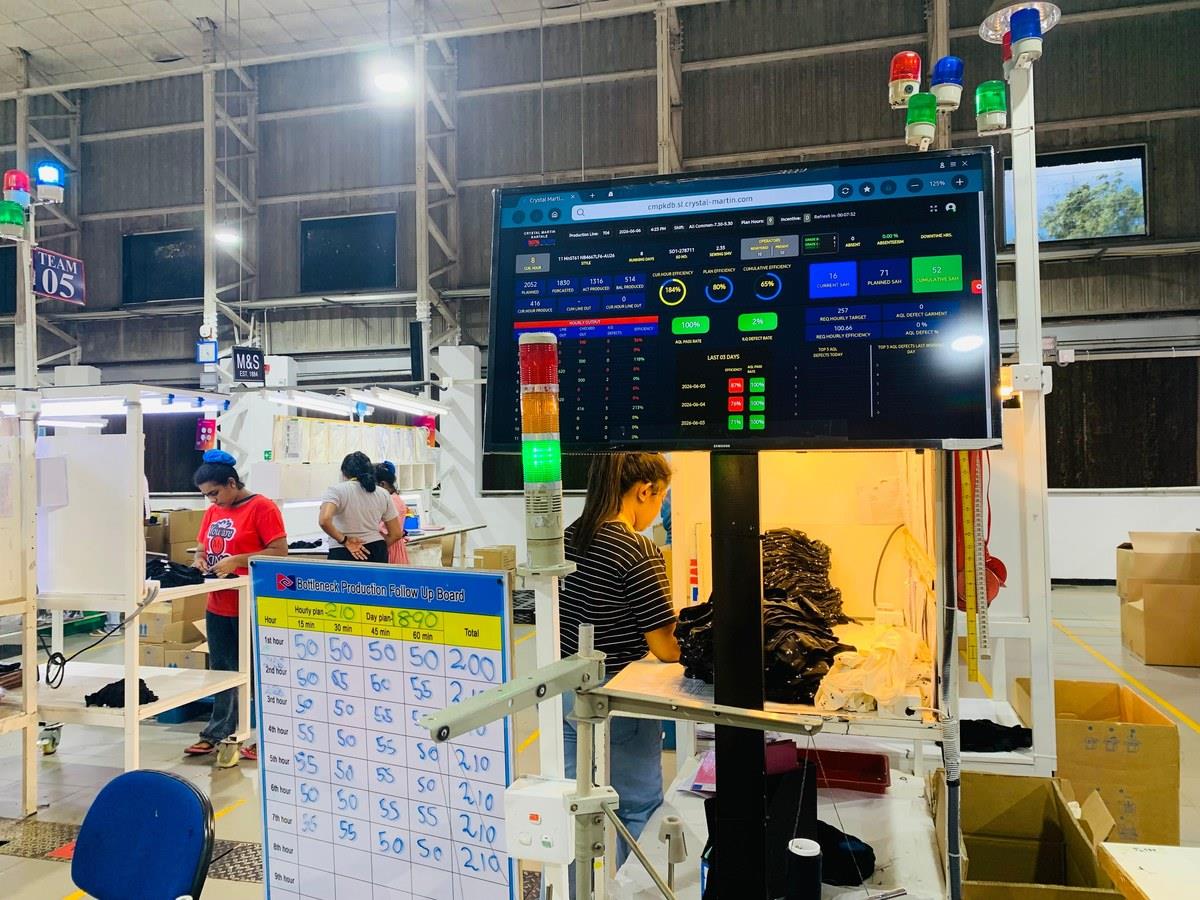
Tool 3: PDCS live on the shop floor
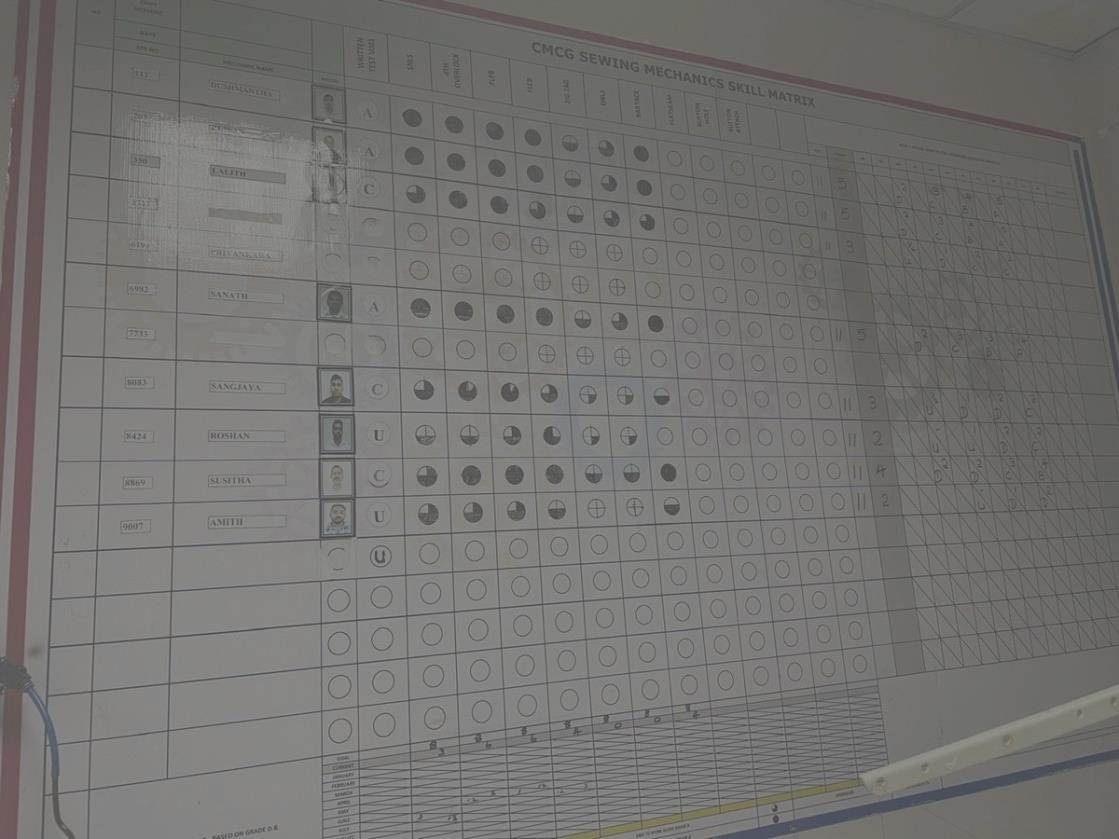
Tool 5: Mechanical skill development & TPM
The Audit
What a real OPEX audit looks like on the floor
Decathlon's own operational excellence team audited the business against a fixed standard, documentation in hand, walking every line, every machine, every changeover. It's the same discipline PMSS's AURA process runs on today: nothing gets marked improved until it's been checked on the floor, not in a spreadsheet.
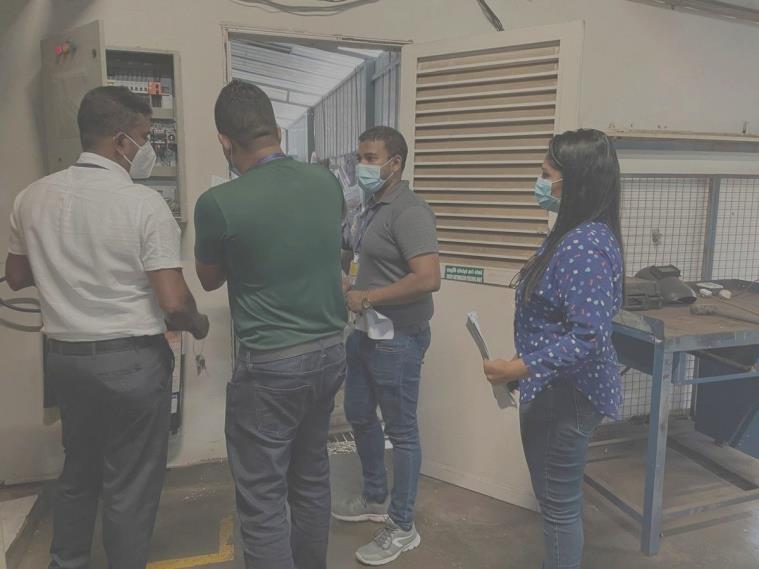
OPEX audit walkthrough, documentation in hand
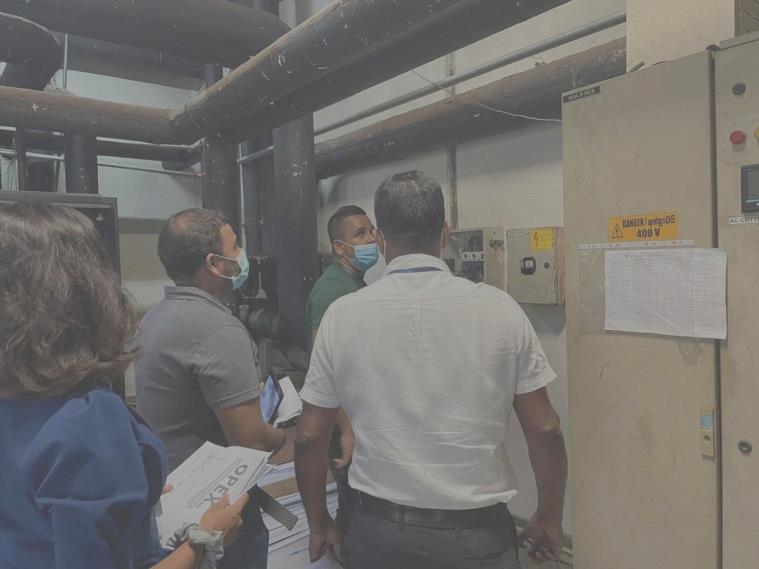
The audit team on site
The Results
Nine years, measured end to end
| Metric | Before CCIP (2013) | After CCIP (2022) |
|---|---|---|
| Line Efficiency | 48-52% | 72% |
| Labour Turnover | 12-13% / year | 4-5% / year |
| Absenteeism | 10-12% / year | 6% / year |
| Machine Breakdown Frequency | 20-25% | 3-5% |
| Style Changeover Time | 5-6 days | Under 2 hours |
| Decathlon OpEx Audit Grade | Grade E | Grade B+ |
| Lean-Trained Employees | 0 (78% had no exposure) | 1,200+ |
| Machine Rental Cost | Unmanaged | 35-40% reduction |

“Having worked over 15 years in the UK and another 15 years offshore in manufacturing, including as a CEO, I've seen how real change comes from transforming the way people think, work, and lead. PMSS is built on exactly this philosophy: they don't just improve factories, they develop the people who run them.”
Colin Vose · Former CEO, Crystal Martin Ceylon Pvt Ltd
The People
Behind every number, a floor full of people
CCIP was never a spreadsheet exercise. It ran through gemba walks, skills boards, KPI reviews and graduation ceremonies for the supervisors and engineers who came through the belt system, 1,200+ of them over nine years.
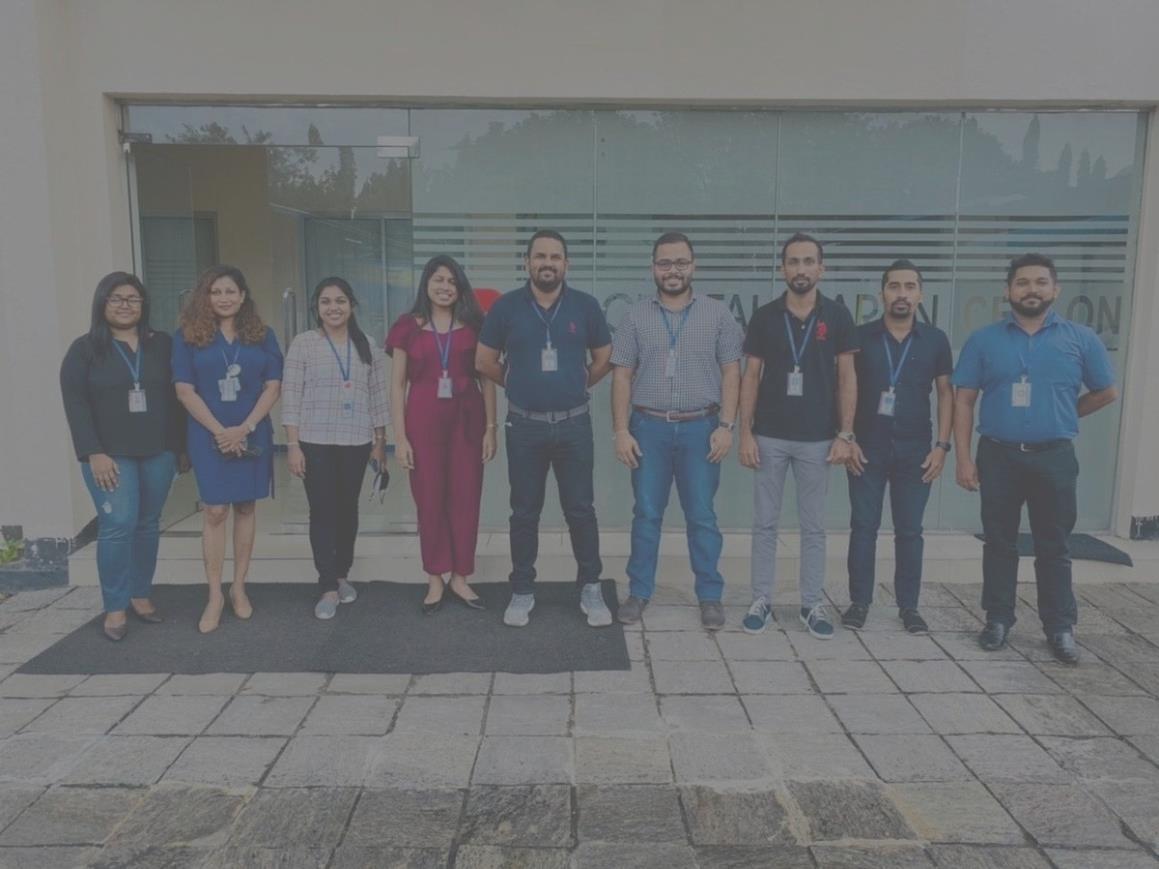
The transformation engineering team
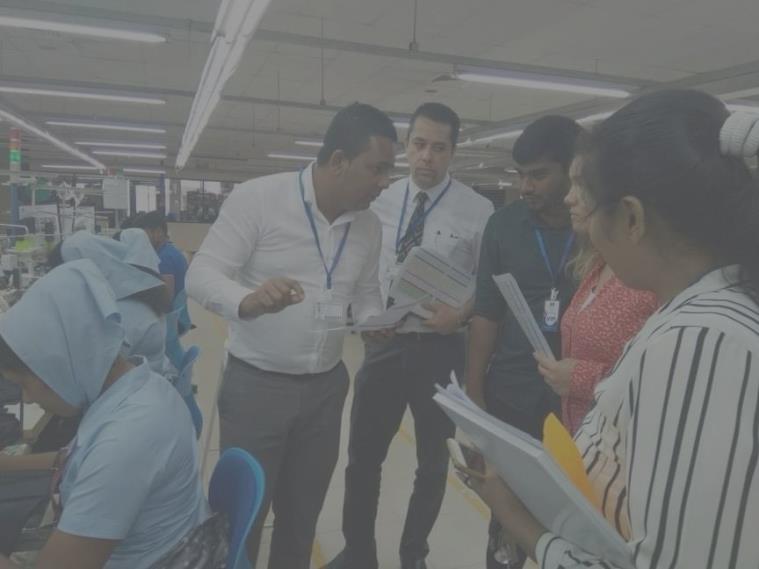
Gemba walks: management on the floor, not in the office
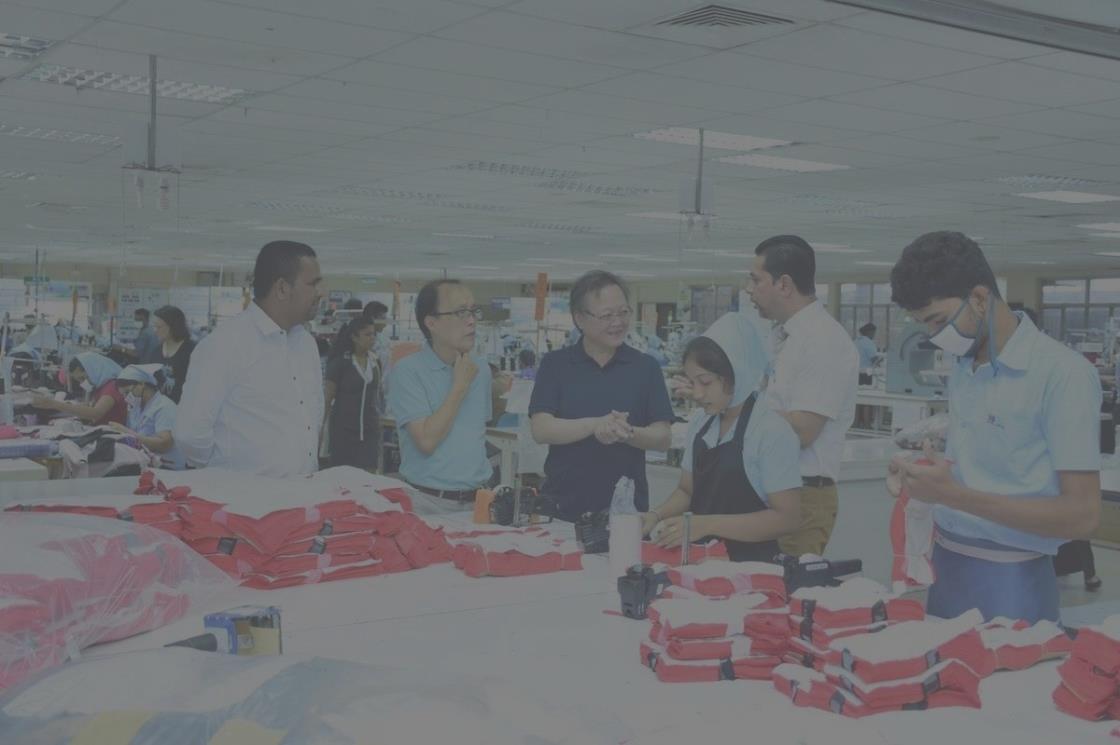
Skills boards tracking every operator's progress
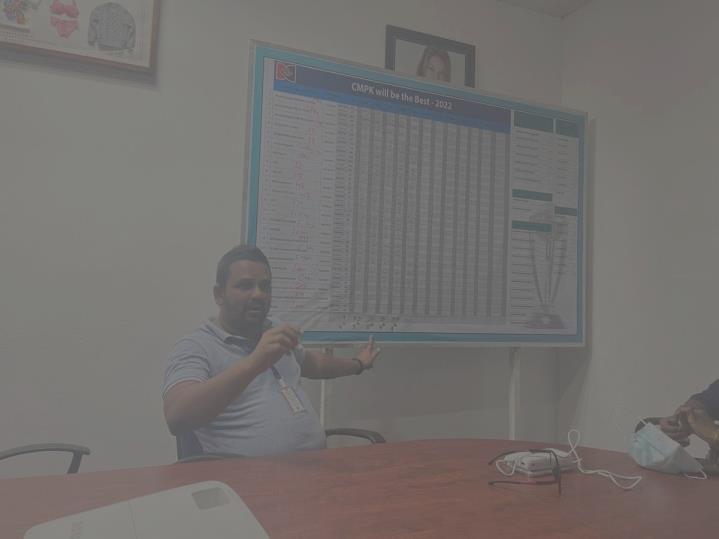
Daily KPI review, not monthly guesswork
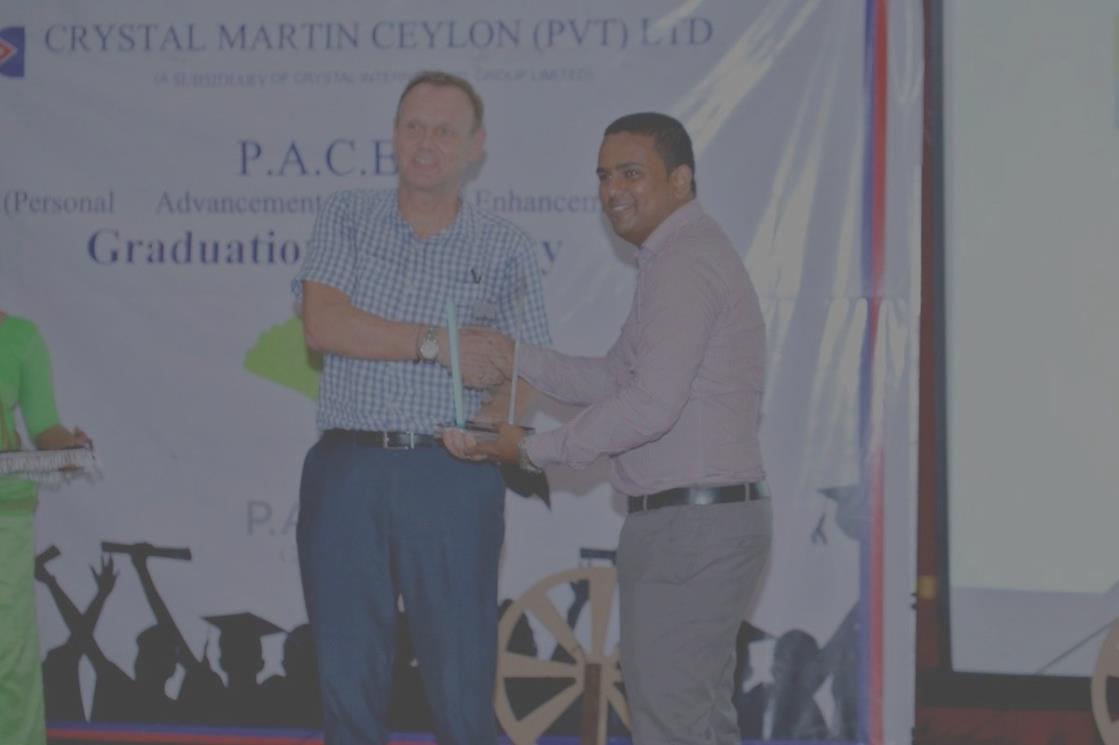
Colin Vose at a PACE graduation ceremony
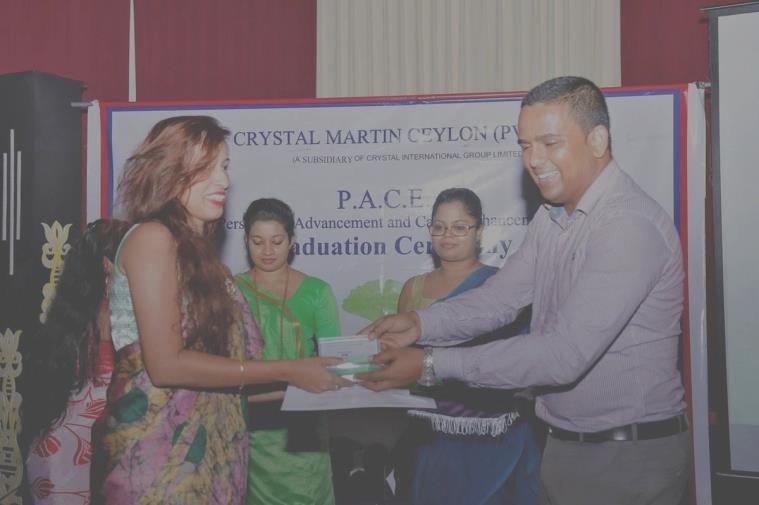
Belt graduation: the training made visible
From Ceylon to the UK
The same system, built for UK factories
Crystal Martin Ceylon in 2013 and a UK garment or textile factory in 2026 look different on the surface, but the underlying gaps are often the same: efficiency losses no one is measuring, turnover nobody has tackled, and knowledge that lives in one person's head instead of a system. UKFT's own “Reshoring for Real” research (May 2025) and CIPD's 2024 UK absenteeism data confirm the same patterns are alive in British manufacturing today.
PMSS's AURA process (Audit, Uplift, Results, Anchor) is built on exactly the same discipline that ran through CCIP: diagnose before you act, implement on the shop floor, measure everything, and build internal capability so results outlast the consultant. It's the same system. Just closer to home.
Global Learning
An approach built on more than one factory
The CCIP framework wasn't built in isolation. It drew on lean manufacturing study at Toyota's Nagoya plant (AOTS, 2015), international textile innovation at Techtextil Frankfurt, and years spent floor-level in Pakistan's garment sector before Crystal Martin, the same instinct for shop-floor reality over theory that still shapes every PMSS engagement.
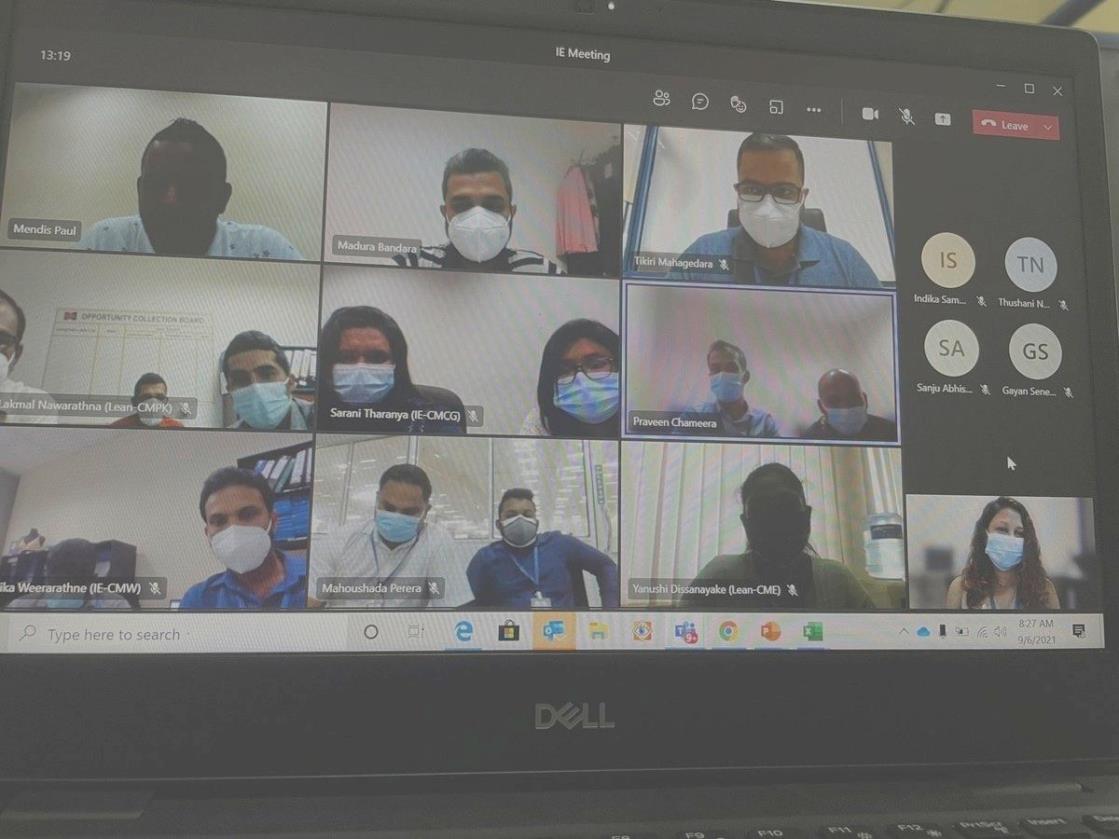
Sharing results on the international stage
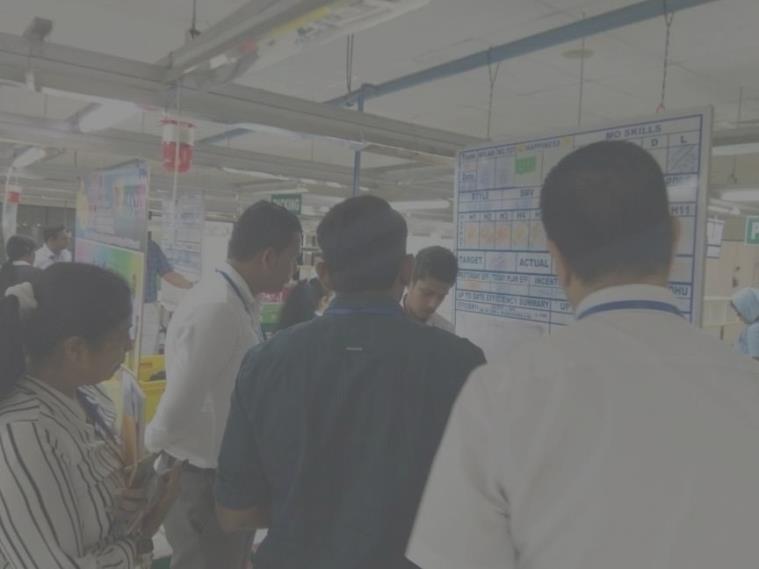
Andon boards: real-time line status, visible to everyone
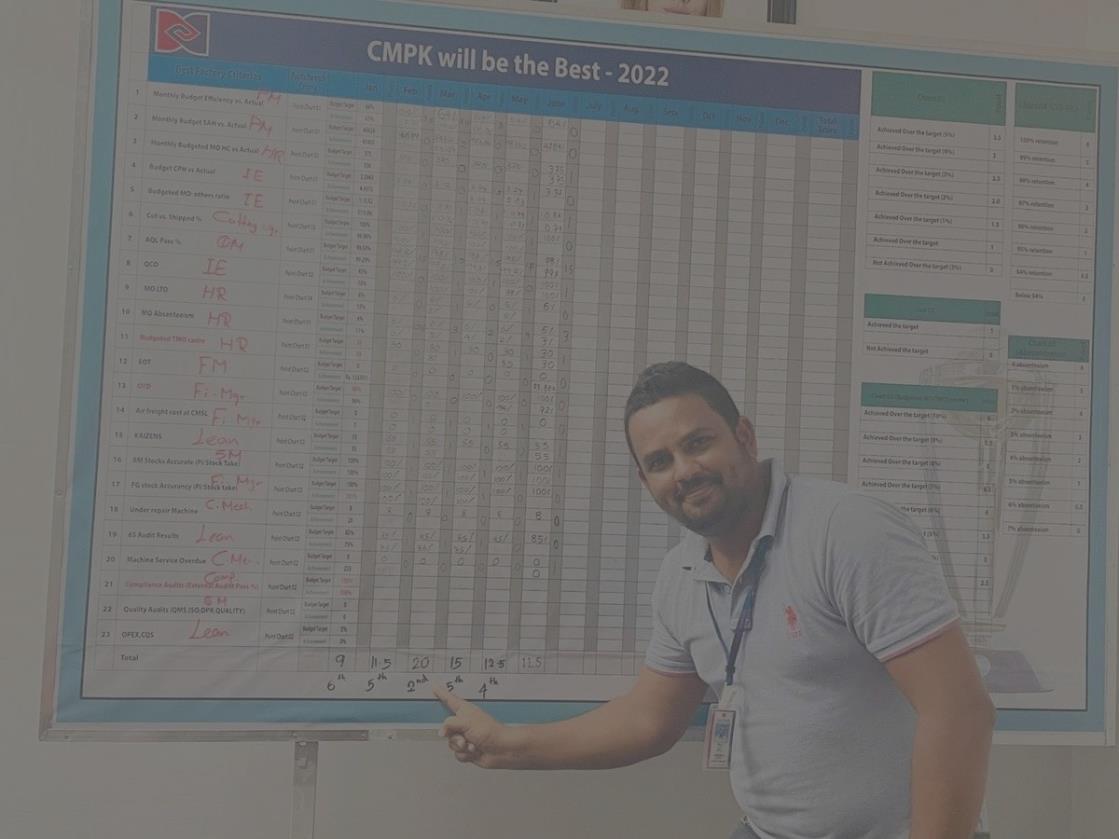
The KPI scorecard behind the headline numbers
Want this on your factory floor?
Paul Mendis leads every PMSS engagement personally, the same person who delivered these results at Crystal Martin Ceylon.